Differences and Treatment of Lymphedema and Lipedema
Are your legs not getting thinner despite diet and sports? Or is one of your arms disproportionately swollen compared to the other? Differences between lymphedema and lipedema, and Complex Decongestive Physiotherapy.
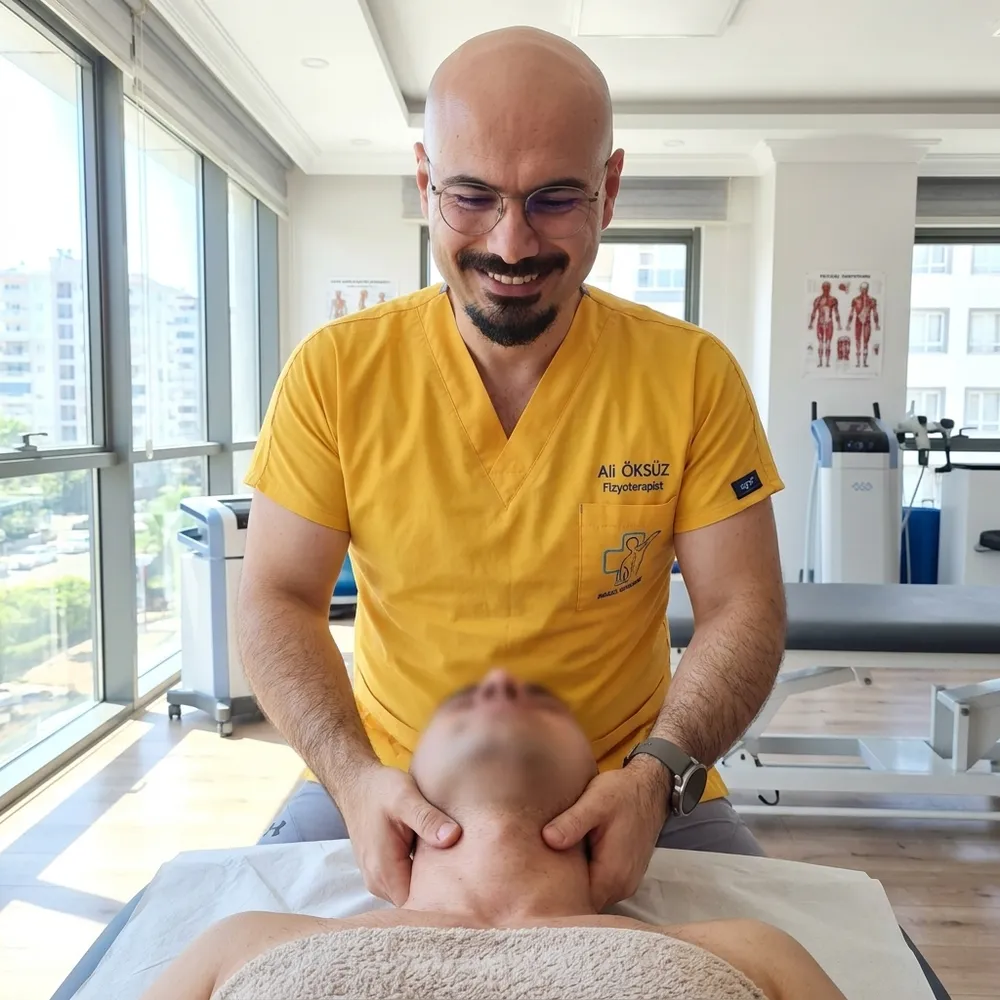
Physiotherapist Ali Oksuz | Private Health Profession Service Unit
Fizyoterapist
Hızlı Cevap
Lymphedema is chronic swelling caused by damage to the lymphatic system, whereas lipedema is symmetrical pathological fat tissue accumulation, mostly in women. They are distinct conditions managed via Complex Decongestive Physiotherapy (CDT) after a physician's diagnosis; diet alone is not sufficient.
İçindekiler Tablosu
- What Are Lymphedema and Lipedema? What Are the Differences?
- Who Performs It and How Is It Applied?
- What Does Academic Evidence Say? (Literature)
- How Does the Physiotherapy and Rehabilitation Process Progress?
- Safe Practices to Do at Home
- 🚩 Red Flags (What NOT to Do!)
- Need Biomechanical Support?
- Legal Disclaimer
Differences and Treatment of Lymphedema and Lipedema
Your legs or hips remain thick even though you lose weight... Or, months after undergoing breast cancer surgery, a sudden feeling of heaviness and swelling develops in one of your arms. These conditions, which are usually dismissed in public as "water retention" or "weight problems", are actually two completely different medical profiles: Lipedema and Lymphedema. The common point of these two diseases is that their solutions are hidden not in classic massages or diets, but in a special physiotherapy method applied after a physician's diagnosis.
What Are Lymphedema and Lipedema? What Are the Differences?
Although both cause deformity and swelling in the body, their origins and structures are completely different.
-
Lymphedema (Lymphatic System Malfunction): Occurs as a result of congenital or acquired damage (after cancer surgery, lymph node removal, radiotherapy) to the lymph vessels (the waste and fluid transport channels of the body). Fluid and protein accumulate in the body. It is usually asymmetric (only the right arm or only the left leg swells). Swelling is also seen on the back of the foot or hand.
-
Lipedema (Fat Metabolism Disease): It is a pathological fat accumulation that is frequently seen in women, has a genetic predisposition, and is sensitive to hormones (triggered during puberty and pregnancy). It is usually symmetric (both legs are equally thick). While the upper part of the body is thin, the lower part of the waist is disproportionately thick. Its most distinctive feature is that it is very painful when the legs are touched and it bruises easily. The back of the foot definitely does not swell, creating a cuff effect at the ankles.
-
Benefit: The gold standard management of these diseases is "Complex Decongestive Physiotherapy (CDT)". This treatment reduces the circumference of the limb, eliminates the feeling of heaviness, and prevents the tissue from turning into fibrosis (irreversible hardening) by discharging the fluid trapped in the legs/arms into healthy lymph channels.
Who Performs It and How Is It Applied?
Lymphedema and Lipedema treatment must be applied by physiotherapists who have received special "Lymphedema Therapist" training in this field, not by classic massage therapists or beauty specialists.
- Manual Lymphatic Drainage (MLD): Contrary to classic spa massage, it is a very light, rhythmic skin massage performed in specific directions without stretching the skin and putting pressure on the muscle tissue. It directs the accumulated fluid to functioning lymph nodes (e.g., to the armpit if the nodes in the groin are removed).
- Multi-Layered Compression Bandaging: To prevent the fluid drained from refilling, the limb is wrapped layer by layer with special inelastic short-stretch bandages.
- Decongestive Exercises: These are muscle pump exercises performed while the patient is bandaged. As muscles contract and relax, the lymphatic fluid inside is strongly pumped upwards (to the heart) thanks to the resistance of the bandage.
What Does Academic Evidence Say? (Literature)
The international guidelines of the International Society of Lymphology (ISL) are very clear:
"According to international consensus reports and PubMed reviews (2023-2024), the 'Gold Standard' treatment in the conservative (non-surgical) management of Lymphedema and Lipedema is Complex Decongestive Physiotherapy (CDT). In patients who receive regular CDT and use compression garments (compression stockings/sleeves), a significant decrease in extremity volume, a reduction in the risk of infection (cellulitis), and softening of tissue hardness have been recorded."
How Does the Physiotherapy and Rehabilitation Process Progress?
The treatment is divided into two phases. Phase 1 (Decongestion Phase): This is the intensive phase of an average of 2-4 weeks in which the patient comes to the clinic daily or 3-4 days a week to receive Manual Lymphatic Drainage and Bandaging, and the limb is reduced to the maximum extent. Phase 2 (Maintenance Phase): After reaching the desired level of thinning, measurements are taken and a custom "compression lymphedema stocking/sleeve" is made for the patient. In this phase, the patient maintains the thinning achieved by only wearing the compression garment, performing skin care, and continuing their exercises.
Safe Practices to Do at Home
- Skin Care: Immunity is weak in lymphedema-affected tissue. Moisturize your skin every day with a fragrance-free lotion with an appropriate pH (e.g. 5.5). Small bleeds during scratches, mosquito bites, or nail clipping can lead to infection (erysipelas).
- Elevation: While resting during the day, you can keep your leg or arm slightly above heart level to help gravity assist in drainage.
- Deep Diaphragmatic Breathing: Deep breaths taken by inflating your abdomen are a great natural pump that vacuums lymphatic fluid upwards thanks to the negative pressure created in the chest cavity.
🚩 Red Flags (What NOT to Do!)
- Having hard pressure applications such as "cellulite massage", "deep tissue massage", or "cupping/hijjama" performed on the lymphedema or lipedema area is a major mistake! It completely tears the already sensitive fine lymph capillaries, increasing the edema irreversibly.
- The advice you hear around you that "you can shed edema with cherry stem tea or water pills" does not work in lymphedema. Because the fluid in lymphedema is not pure water but "protein-rich"; it cannot be excreted from the body with urine.
- Having blood pressure measured, blood drawn, or wearing tight watches/rings on the affected arm triggers edema by blocking fluid transition.
Need Biomechanical Support?
If you have been diagnosed by your physician, you can manage this problem, which reduces your quality of life, with evidence-based medical exercises under the guidance of a physiotherapist.
📍 Physiotherapist Ali Oksuz
Toros Mah. 801. Sok. No:4/4 Konyaalti / Antalya
👉 For consultation and appointments, reach us immediately on WhatsApp.
Legal Disclaimer
This page does not replace a physician's diagnosis or a definitive cure guarantee. It has been prepared based on physiotherapy science in accordance with the Health Advertising Regulation to increase health awareness.
Bu Konuyla İlgili Uygulamalarımız
Yazıda bahsedilen yöntemler aşağıdaki uygulamalarımız kapsamında yürütülür.
Sıkça Sorulan Sorular
Yazıyla ilgili en çok sorulan sorular. Cevabı bulamadığınız bir konu varsa doğrudan WhatsApp'tan yazabilirsiniz.
The distinction is made via physical examination by a physician. Lipedema is mostly characterized by symmetrical fat accumulation that is painful to the touch, whereas lymphedema is swelling caused by fluid retention.
Since lipedema is a pathological tissue disease, it cannot be managed with diet or exercise alone. It is recommended to be evaluated along with Complex Decongestive Physiotherapy and medical compression.
Manual lymphatic drainage and compression applications may be contraindicated in conditions such as active deep vein thrombosis, decompensated heart failure, acute cellulitis/infection, uncontrolled malignancy, and severe arterial insufficiency. Therefore, the process is always initiated after a physician's diagnosis and necessary laboratory and imaging evaluations. The program is planned individually, according to current international guidelines and Complex Decongestive Physiotherapy (CDT) principles; a physician must be consulted in case of sudden increases in swelling, redness, or fever.
Şikayetinizi konuşmaya hazır mısınız?
Hekim teşhisi sonrası kişiye özel klinik fizyoterapi programı için bizi arayın veya WhatsApp'tan yazın. Sorularınız varsa cevaplamaktan memnuniyet duyarım.
About the Author
Physiotherapist Ali Oksuz
Expert physiotherapist providing clinical physiotherapy services in Konyaaltı, Antalya. Applies evidence-based approaches (Mulligan, Maitland, Vodder MLD) in manual therapy, lymphedema rehabilitation, clinical reformer pilates, and orthopedic rehabilitation. The articles convey the physiotherapy process after a physician's diagnosis for informational purposes; it does not replace medical treatment.