
Persistent Muscle Pain and Fibromyalgia: Where to Start?
Do you wake up tired in the morning, ache all over, yet your tests come back clear? What you should know about physiotherapy and myofascial release in fibromyalgia.
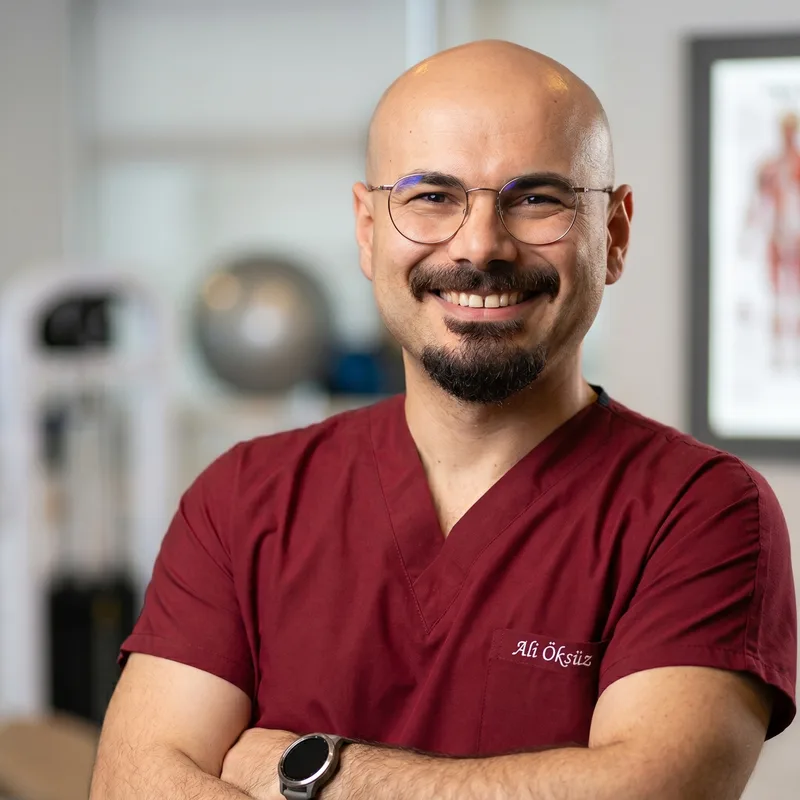
Fzt. Ali Öksüz | Özel Sağlık Meslek Hizmet Birimi
Physiotherapist
Last updated: · Reviewed by: Fzt. Ali Öksüz
Quick Answer
Fibromyalgia is a chronic condition with widespread musculoskeletal pain, morning stiffness, fatigue and sleep problems. Under physician follow-up, symptoms can be managed with low-intensity aerobic clinical exercise, myofascial release and sleep hygiene education.
Table of Contents
Fibromyalgia and Chronic Muscle Pain
Do you wake up in the morning feeling as if you had been beaten up? Do you have hard knots in your back and shoulders that never seem to loosen? If you keep suffering even though your blood tests and MRI results are completely clear, you may well be dealing with Fibromyalgia Syndrome (FMS) or Myofascial Pain Syndrome.
Is Fibromyalgia Only Psychological?
No. Stress, sadness and excessive anxiety are very strong triggers of fibromyalgia, but the pain is real and physical. Persistently high levels of the stress hormone cortisol prevent the muscles from relaxing. As the muscles stay contracted (on alert), local circulation is impaired. The result: widespread muscle pain where even touch can be hard to bear.
Our Clinical Exercise and Therapy Approach
Incorrect hard massages or hot water bottles only give these areas a moment of numbness. To address the underlying cause of the pain and the state of Central Sensitization (the brain becoming over-sensitive to pain), clinical approaches from the current PubMed / PEDro literature are recommended:
What Happens Anatomically During a Session?
- 1. Myofascial Release: The fascial connective tissue that wraps and tightens around you like armour all day is released with special gliding techniques. This sends a "we are safe now" signal to the autonomic nervous system and helps relaxation begin.
- 2. Trigger Point Ischemic Compression: The large areas of stiffness (knots) in your neck or shoulder blade are targeted with ischemic pressure. The aim is to improve local circulation in these points and reduce muscle tension.
- 3. Medical Reformer Pilates: The end of the session is the most important phase. With controlled spring resistance, new movement patterns within comfortable limits are practised to support Motor Neuron Adaptation.
(Note: Common postural disorders can also disturb muscle balance and cause pain. For details, see our Posture and Scoliosis Guide.)
Our Approach to Fibromyalgia
For chronic pain complaints at our clinic in Antalya, we focus on the "system" itself rather than on individual symptoms. Following your physician's diagnosis, we use a holistic, evidence-based assessment to plan a program together.
👉 To book an appointment, message us on WhatsApp.
Legal Disclaimer: This information does not replace a physician's diagnosis and does not promise a cure.
Related Treatments
The methods described in this article are delivered within the following treatments.
Frequently Asked Questions
The most common questions about this topic. If you can't find your answer, message us directly on WhatsApp.
Poorly dosed, high-intensity exercise can trigger pain. A low-intensity, gradually progressed aerobic program started with physician approval, on the other hand, supports pain management.
Hard, deep massage usually makes the picture worse. Gentle fascial release techniques and gentle mobilizations are preferred.
Sleep quality strongly influences the course of fibromyalgia symptoms; regular sleep and wake times, reducing screen light and limiting caffeine and alcohol are supportive in most cases. Smoking, inactivity and a high stress load can lower the pain threshold. These recommendations do not replace medical treatment or the physiotherapy program; symptom management is always planned within the framework of a physician's diagnosis, multidisciplinary follow-up and a personalized, evidence-based exercise program.
Ready to talk about your complaint?
Call or message us on WhatsApp for a personalised clinical physiotherapy programme after your physician's diagnosis. I'm happy to answer your questions.
About the Author
Physiotherapist Ali Oksuz
Physiotherapist providing clinical physiotherapy services in Konyaaltı, Antalya. Applies evidence-based approaches (Mulligan, Maitland, Vodder MLD) in manual therapy, lymphedema rehabilitation, clinical reformer pilates, and orthopedic rehabilitation. The articles convey the physiotherapy process after a physician's diagnosis for informational purposes; it does not replace medical treatment.